
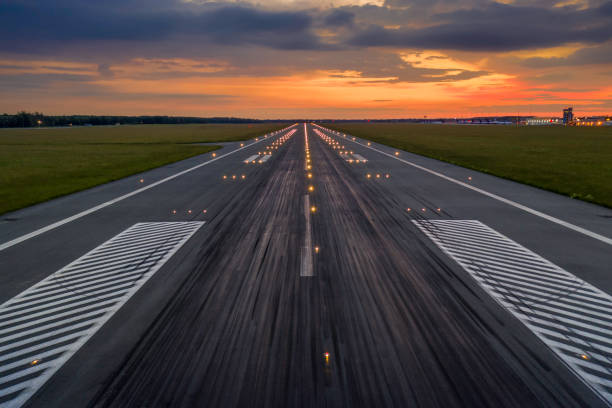

Helicopter Procedures on the Runways at Bankstown – The Do’s and Do not’s
“We fly helicopters, so why would we need to use a runway?”
It’s a question we sometimes hear from students and pilots, but the reality is that helicopters are also permitted to use the runways and sometimes (for operational reasons) it’s a necessity. Using Bankstown’s centre runway can also save considerable time when fixed wing traffic is low and ATC can accommodate us. To keep this option working well for everyone, we need to follow Tower’s guidance, communicate our intentions clearly and minimise runway occupancy consistent with safe operation.
Don’t be fooled – runways are dangerous places. The worst aviation disaster in history resulted in the death of 583 people in 1977 in Tenerife, due to a runway collision between two passenger jets.
PLEASE NOTE THAT TMRH STUDENTS ARE NOT PERMITTED TO OPERATE ON THE RUNWAYS WHEN SOLO. ALL SOLO STUDENT FLIGHTS ARE TO DEPART FROM AND ARRIVE AT THE MAIN PAD, EXCEPT IN AN EMERGENCY.
The procedures below relate to operations from The Main Rotor Hub and other sites close to the Control Tower at Bankstown. Similar procedures will apply to operations from other locations on the aerodrome.
Getting to the Runway
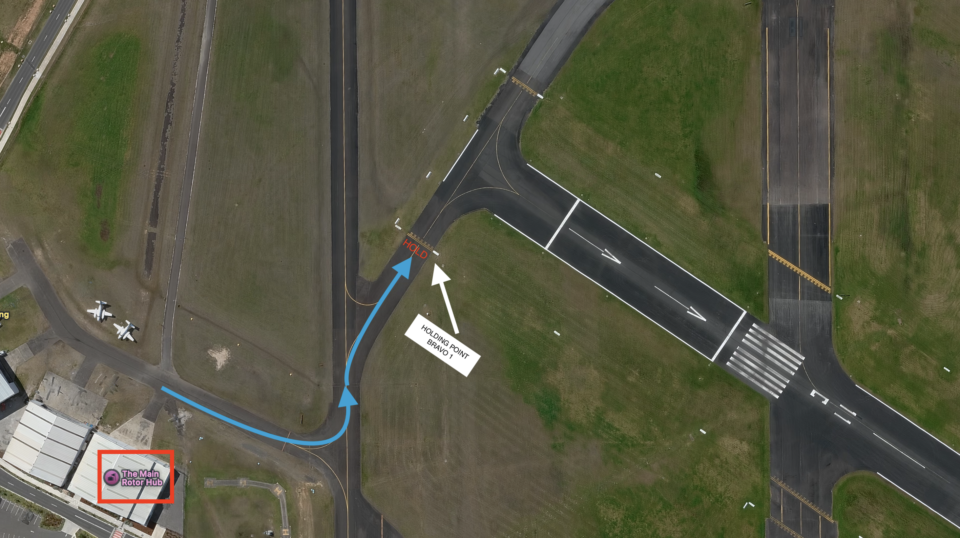
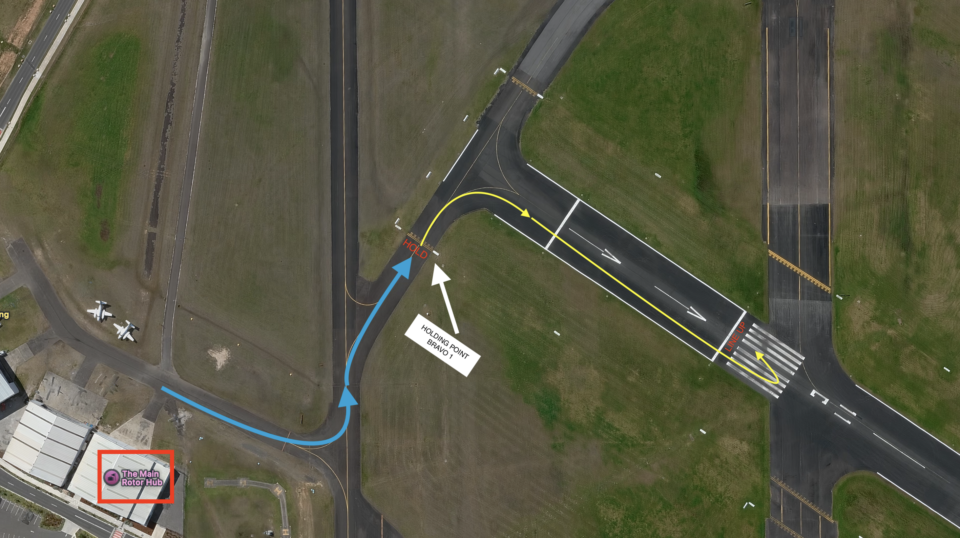
When departing from Main Rotor Hub and planning to use the runway centre, the procedure is to request taxi clearance from Bankstown Ground on 119.9 MHz, requesting “Taxi to Holding Point Bravo 1”. ATC will issue the taxi clearance to the holding point, with the runway name, for example:
Ground: “Alpha Golf Golf, Taxi to Holding Point Bravo 1, Runway 11 Centre”
Make sure you repeat the whole clearance in your readback, before entering the taxiways.
Hold Markings
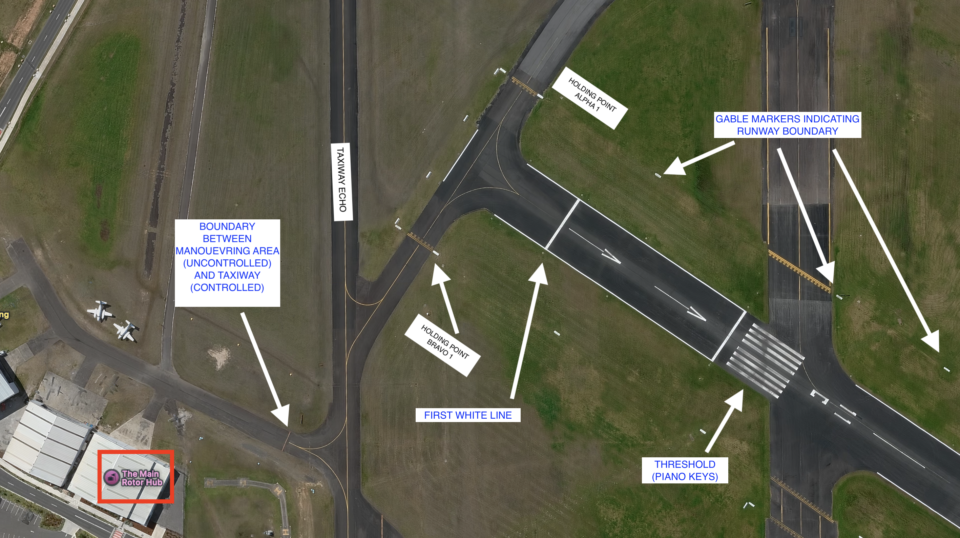
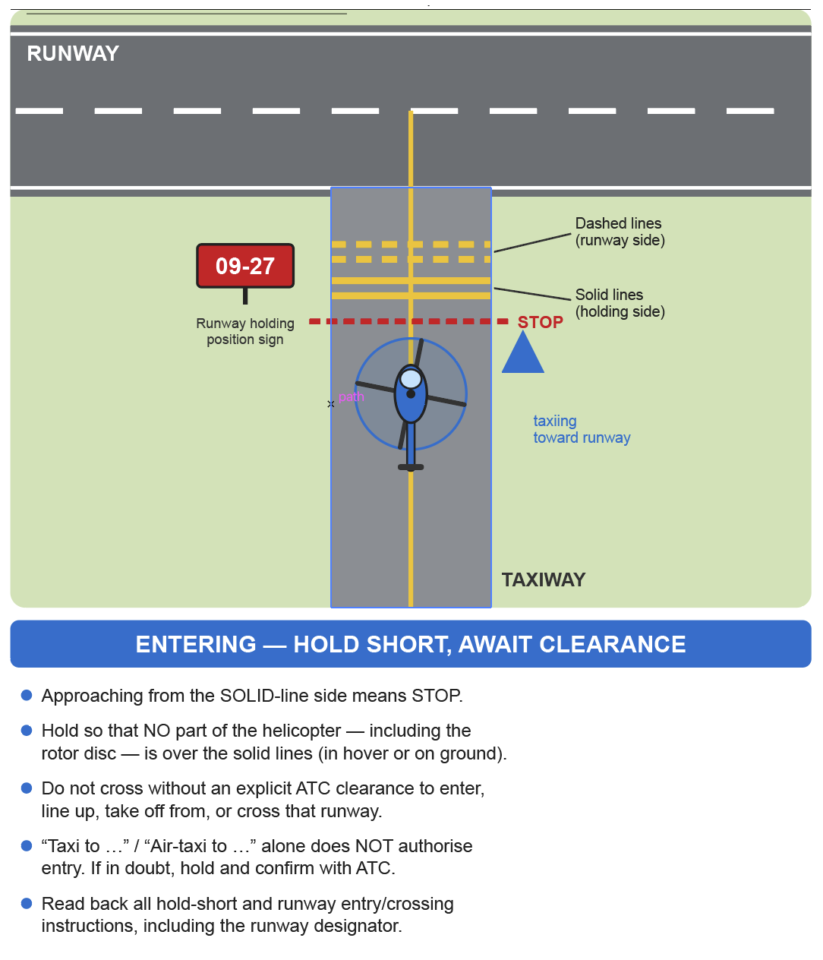
At almost every junction between a runway and a taxiway (ie. the entry / exit points) there will be yellow lines on the pavement, and probably yellow and black signs indicating the intersection designation, and/or red and white signs indicating the runway designation and possibly even flashing lights. These indicate a hold point. The yellow lines have unbroken (solid) and dashed components. When exiting a runway, you will approach the dashed lines which indicates you are free to cross onto the taxiway. When approaching a runway to enter it, you will arrive at unbroken yellow lines. You must remain behind the yellow lines until you receive a clearance from Tower to enter the runway.
Once at the holding point, contact Tower on 132.8 MHz with your ready call:
Pilot: “Bankstown Tower, Helicopter Alpha Golf Golf, Ready at Bravo 1 for a Choppers North Departure”
If you are instructed to “Hold Position”, it is recommended that you land (unless otherwise instructed to remain in the hover), awating further instruction.
Do not cross the solid yellow line until you have received a clearance from Tower to enter the runway. Crossing the line without a clearance is a RUNWAY INCURSION – a serious and reportable incident.
From Holding Point Bravo 1, you can expect Tower to issue a clearance including the words “ENTER” and “LINE UP”, and, if operating in the 29 direction, will include “BACKTRACK”. For example:
Tower: “Alpha Golf Golf, Enter and Line-Up Runway 11 Centre”
OR
Tower: “Alpha Golf Golf, Enter, Backtrack and Line-Up Runway 29 Centre”
You must complete a correct readback before entering the runway (crossing the solid yellow line)
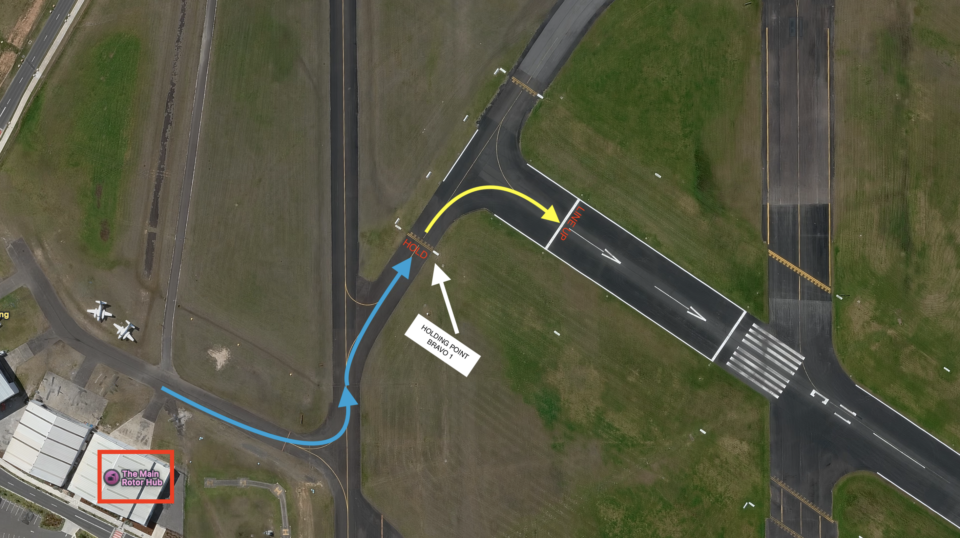
Note that some controllers may abbreviate the clearances. For example, if holding at the holding point, a clearance to “Line-Up” implies a clearance to “Enter” the relevant runway.
Take-off Clearances
A clearance to “Enter” or “Line-Up” is not a take-off clearance. If you have only been cleared to enter or line up, wait for an explicit take-off clearance before commencing your departure. Examples include:
Tower: “Alpha Golf Golf, Depart via Choppers North, Runway Centre, Cleared for Take-Off”
OR
Tower: “Alpha Golf Golf, Maintain Runway Heading Until Advised, Runway Centre Cleared for Takeoff”
Departing Runway 11 – What’s the Procedure?
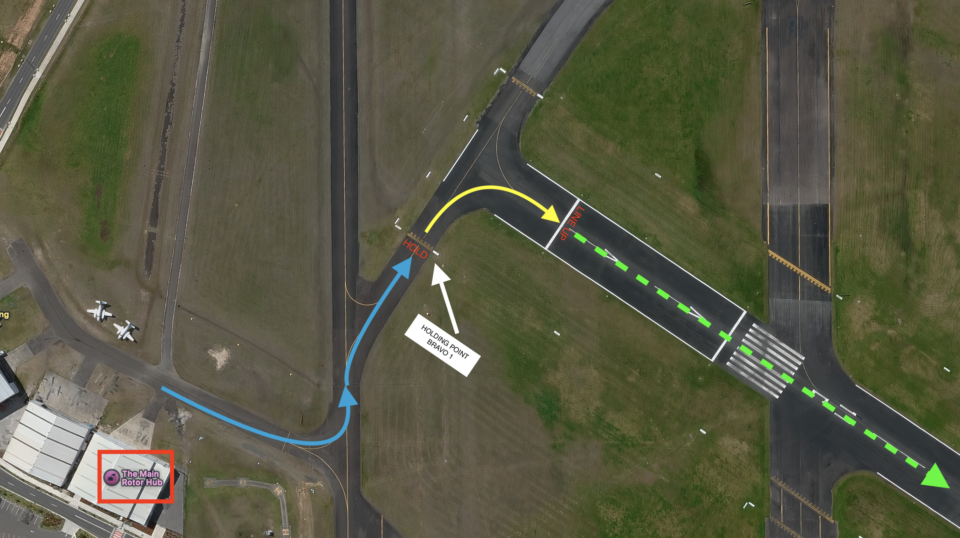
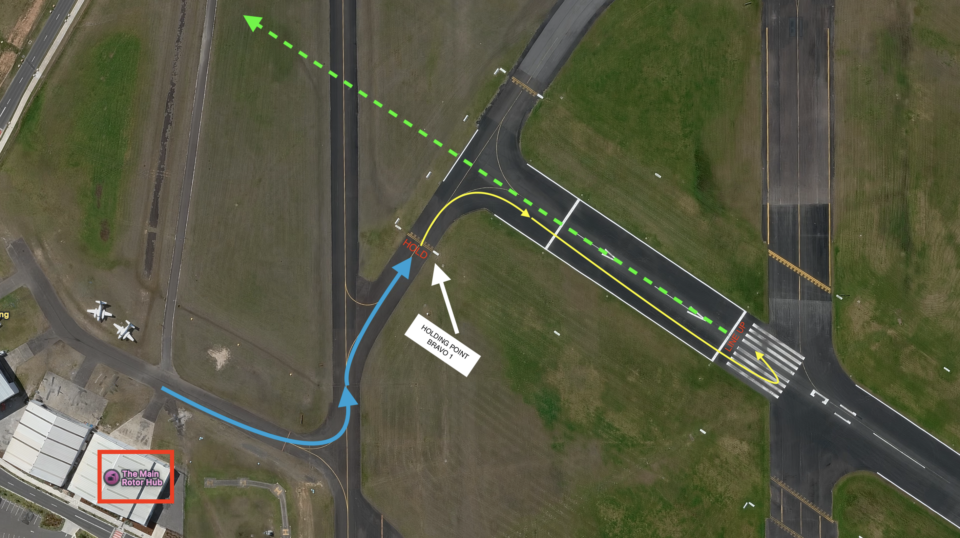
Once cleared to enter Runway 11 Centre, advance to the first white line (just before the displaced threshold arrows) and align with the runway direction. You can commence your take-off from that position when cleared for take-off.
What About Runway 29?
When using Runway 29 Centre, you’ll hold (normally at Bravo 1) until Tower gives you instructions to enter and backtrack.
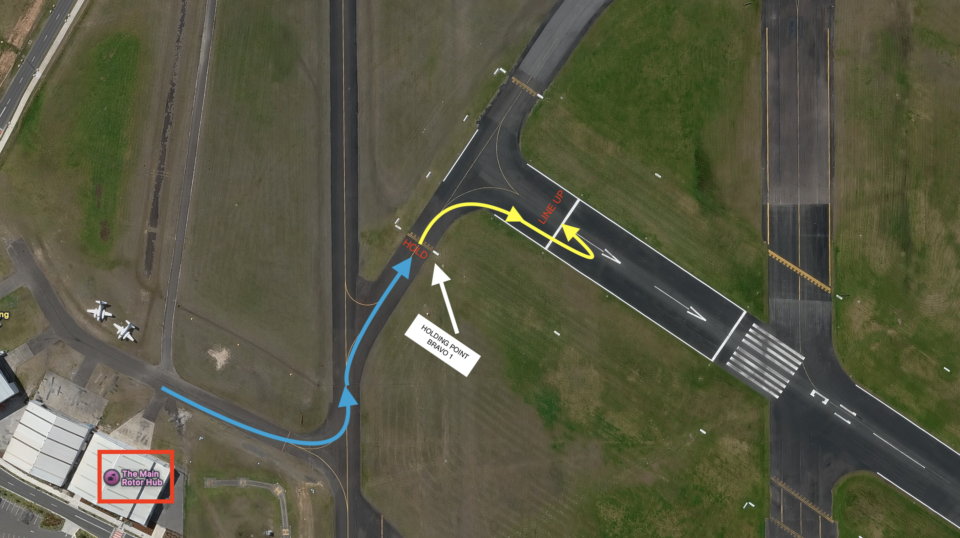
Lower take-off weight helicopters: backtrack to the first solid white line where you can turn around and (in the hover) await your take-off clearance. Unless otherwise specified, a backtrack clearance on Runway 29C is limited to the first white line (before the arrows)
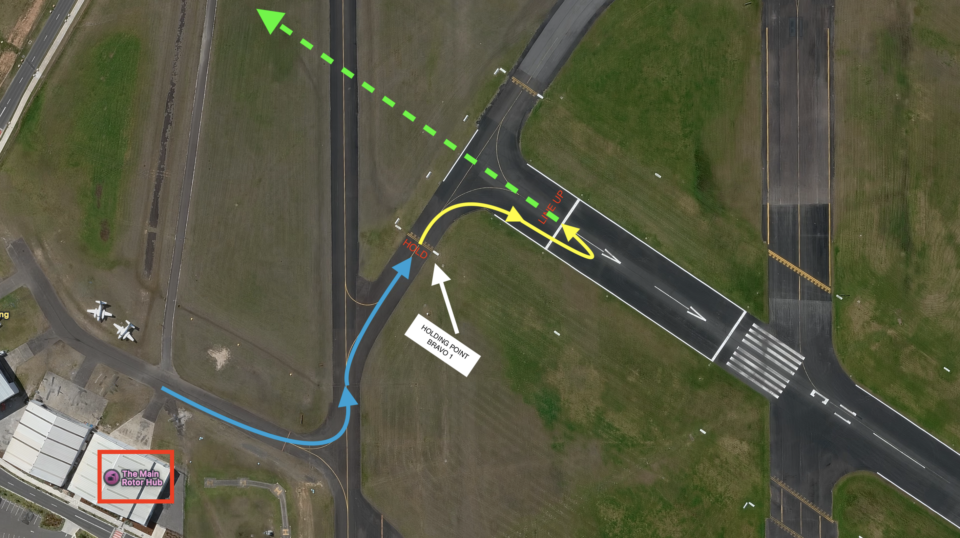
Higher take-off weight helicopters: will require a longer take-off run and thus a longer backtrack. If aircraft weight, conditions or performance requirements mean you need a longer backtrack, include this in your initial ready call. Specify whether you need to backtrack to the runway threshold (piano keys) or another clearly identified position. For example:
Pilot: “Bankstown Tower, helicopter Alpha Golf Golf, Holding Point Bravo 1, Ready, Runway 29 Centre, request backtrack to the piano keys.”
Readback any clearance then backtrack and line-up as approved. There is no need to make another ready call or report that you are lined up unless Tower requests it. Remain ready (in the hover), monitor Tower and wait for your take-off clearance.
Landing on the Runway – There Are a Few Things to Remember!
Now let’s talk about arrivals.
When approaching Bankstown, you can request with Tower to land on the Centre (11C/29C) or Northern runways (11L/29R) – But remember, just because you’ve requested it doesn’t mean you’ve been cleared for it.
If you do receive clearance to land on a runway, you must land at the runway threshold (piano keys) or beyond.
A clearance to land on a runway entitles the pilot to land at any point on that runway from the runway threshold onwards. If you are landing on Runway 29 and intend to land near the far end of the runway to minimise the subsequent taxi distance, it is polite to request a “Land Long” to clearly indicate your intentions. Some controllers will include this in the landing clearance anyway, or clear you to “Roll through and vacate at Bravo 1”
When landing in the 11 direction you must not land short of the runway threshold to exit directly onto taxiway Bravo 1. In the 11 direction, land beyond the threshold, and if not already given, request a clearance to Backtrack to Bravo 1.
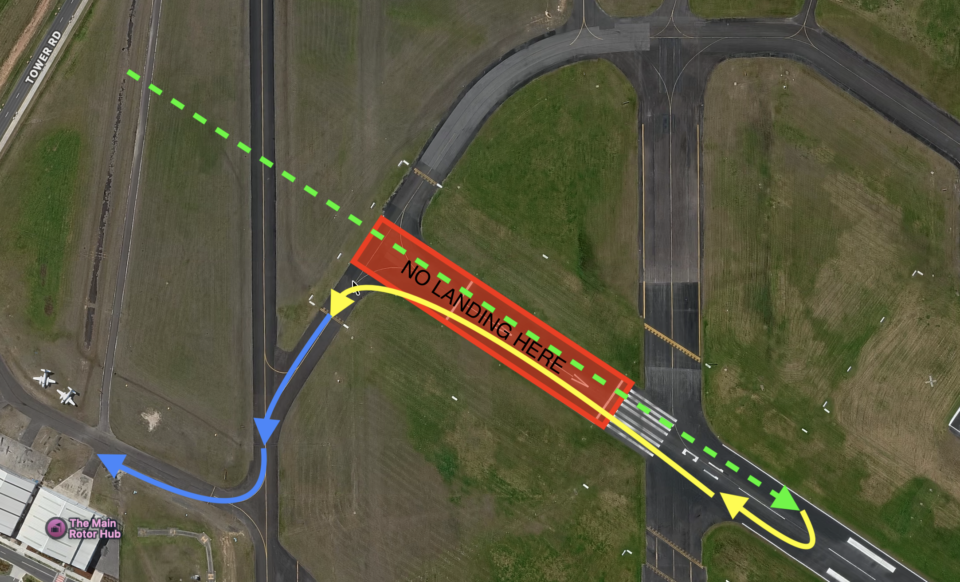
Never commence a backtrack until Tower has issued the appropriate clearance and do not occupy a runway for an undue period awaiting backtrack clearance.
Where Else Can We Exit the Runway?
If a backtrack clearance is not available, you will need to use another runway exit to vacate the runway. If you have landed on the northern runway (11L/29R), the obvious move is to use any of the northern exits to vacate onto taxiway Alpha. If you have landed on the centre runway, then you will need to vacate to either the left or right, and hold-short of the adjacent runway remaining on Tower frequency.
For example, if arriving on Runway 11C, and unable to backtrack, (unless otherwise directed), vacate the centre runway at the next exit and hold short, in between the runways, waiting for your clearance:
Tower: “Alpha Golf Golf, cross Runway Left”
DO NOT CROSS THE PARALLEL RUNWAYS WITHOUT EXPLICIT CLEARANCE FROM TOWER.
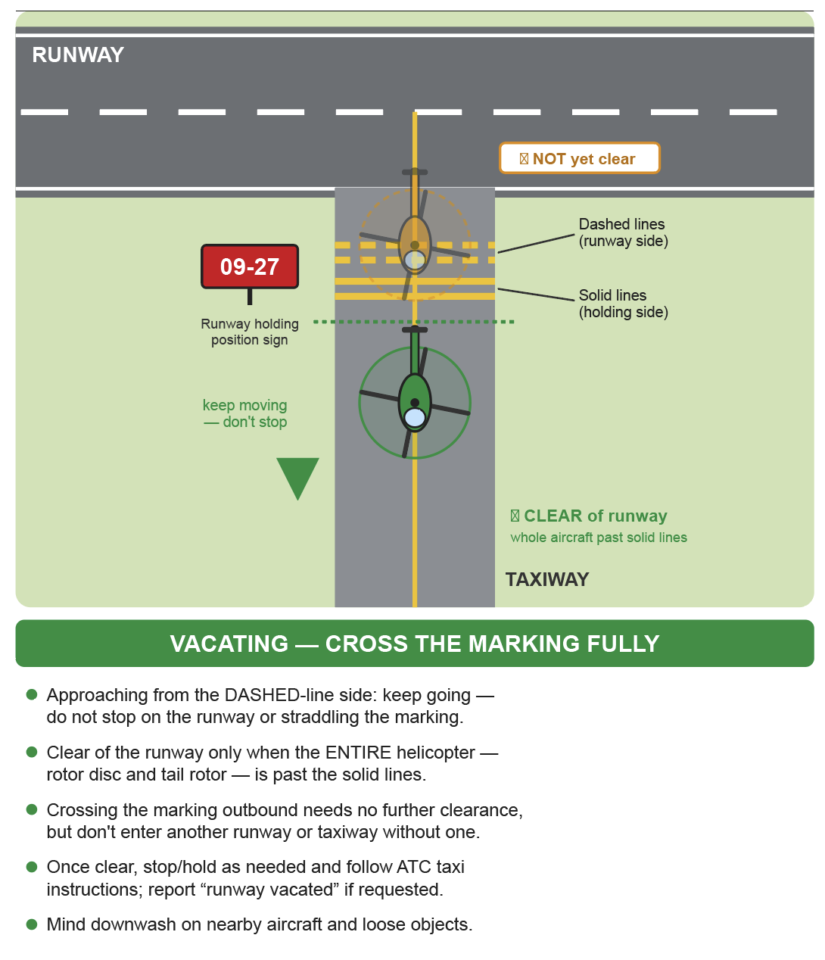
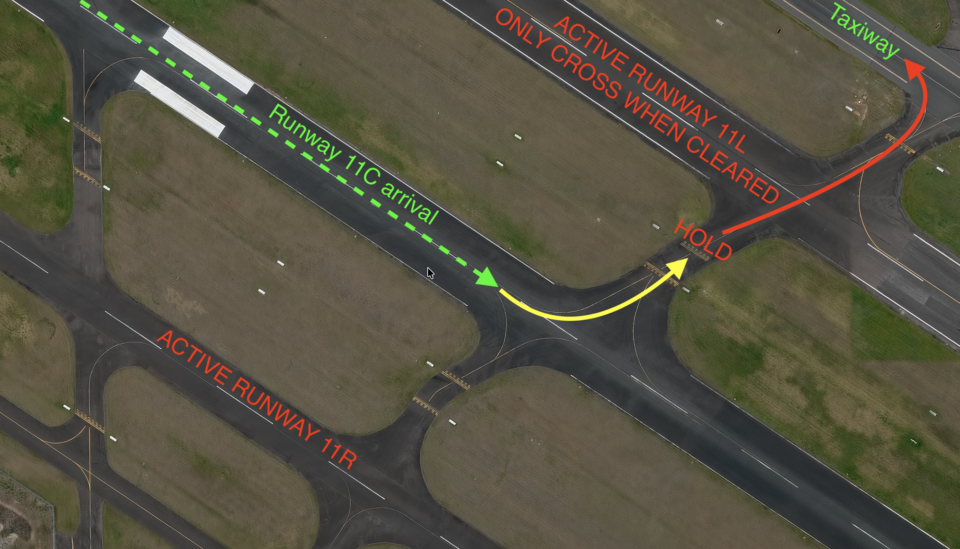
Once cleared across the adjacent runway, you have right of way to vacate onto the taxiway. At Bankstown you are required to remain on Tower frequency until you are clear of all active runways (this includes the Main Pad). Once clear, contact Ground (119.9 MHz) for taxi instructions
A Final Word from the Team at The Main Rotor Hub
Although runway operations are available to helicopters at Bankstown, we always encourage our local and visiting pilots to make sure they are properly familiar with the procedures before attempting them.
Here at Main Rotor Hub, our recommendation is simple:
Use the main helicopter pad for arrivals and departures unless you have been fully briefed or appropriately trained in runway operations by one of our instructors or experienced team members.
Runway operations introduce additional considerations, including taxi clearances, holding points, backtracking, runway crossings and coordination with other airport traffic.
It’s important that everyone understands these procedures and feels comfortable with them before heading out.
And remember, if you’re unsure about anything, just ask!
The team at Main Rotor Hub is always happy to have a chat, walk you through the procedures and help you become more familiar with using the runways at Bankstown.
Safe Flying!

